When Is Doyo no Ushi no Hi in 2026?
In 2026, the summer Doyo no Ushi no Hi falls on Sunday, July 26th.
This year there is only one Ushi no Hi during the summer Doyo period (roughly July 20 to August 6), with no second “Ni no Ushi” day.
What Is Doyo no Ushi no Hi?
“Doyo” refers to the roughly 18-day transitional periods just before the start of each season: spring, summer, autumn, and winter.
Within these periods, the day that corresponds to “Ushi” (the Ox) in the Japanese zodiac calendar is called “Ushi no Hi.” Since the zodiac day cycle repeats every 12 days, some years have two Ushi no Hi within a single Doyo period.
When people refer to “Doyo no Ushi no Hi,” they almost always mean the summer Ushi no Hi, which falls just before the start of autumn on the traditional calendar.
Why Do People Eat Eel on This Day?
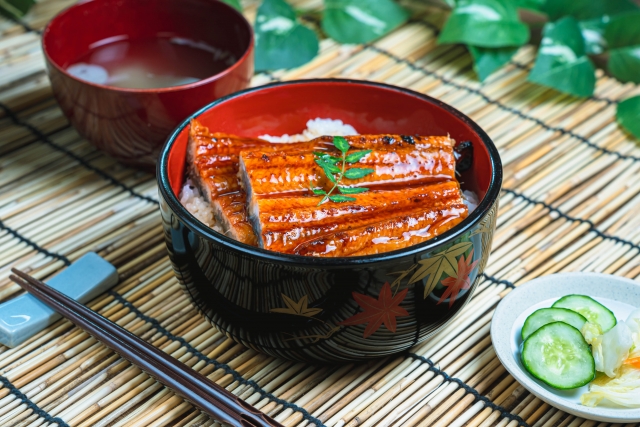
The custom of eating unagi (eel) on Doyo no Ushi no Hi is said to date back to the Edo period. According to a well-known story, an eel restaurant struggling with sales consulted the inventor Hiraga Gennai, who suggested displaying a sign reading “Today is Ushi no Hi.” The idea became popular and helped establish the custom that continues today.
There was also a folk belief that eating foods starting with the sound “u” on Ushi no Hi was good for one’s health, and unagi became the most famous example.
Other “U” Foods Besides Eel
Besides unagi, several other foods beginning with “u” are traditionally considered lucky to eat on this day.
・Udon noodles
・Umeboshi (pickled plums)
・Uri (cucumber, watermelon, and other melons)
These customs reflect an old wisdom about caring for one’s health during seasonal transitions.
Enjoying Japan’s Seasonal Traditions
Doyo no Ushi no Hi is just one example of how Japanese culture places great value on marking the changing of the seasons.
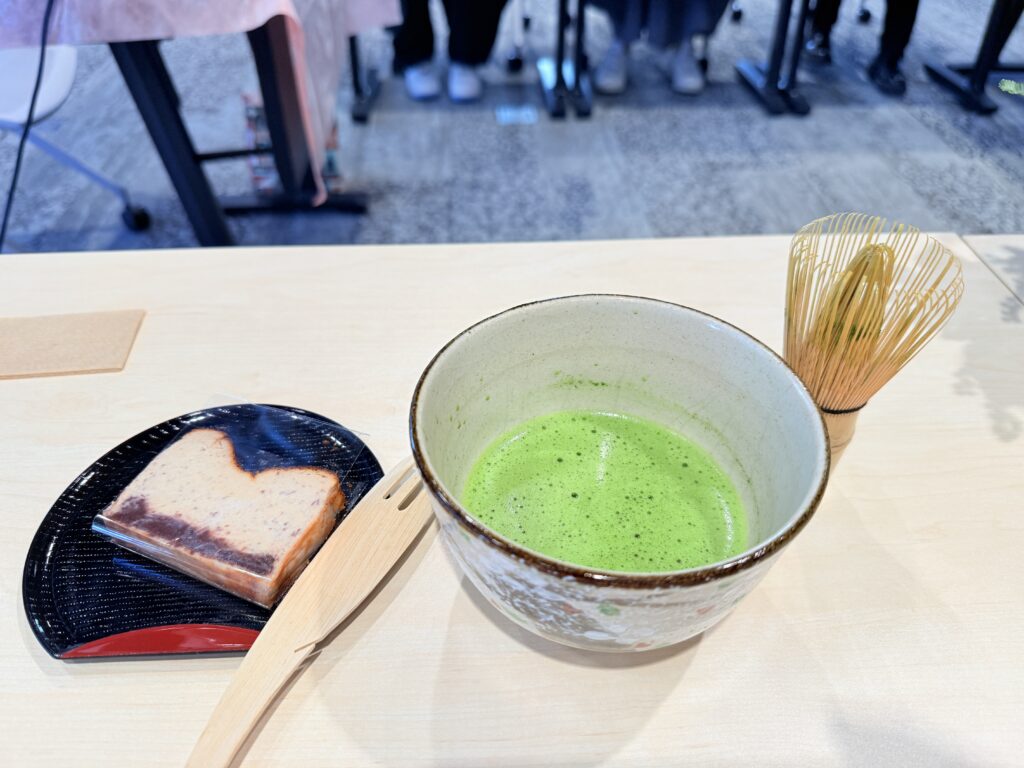
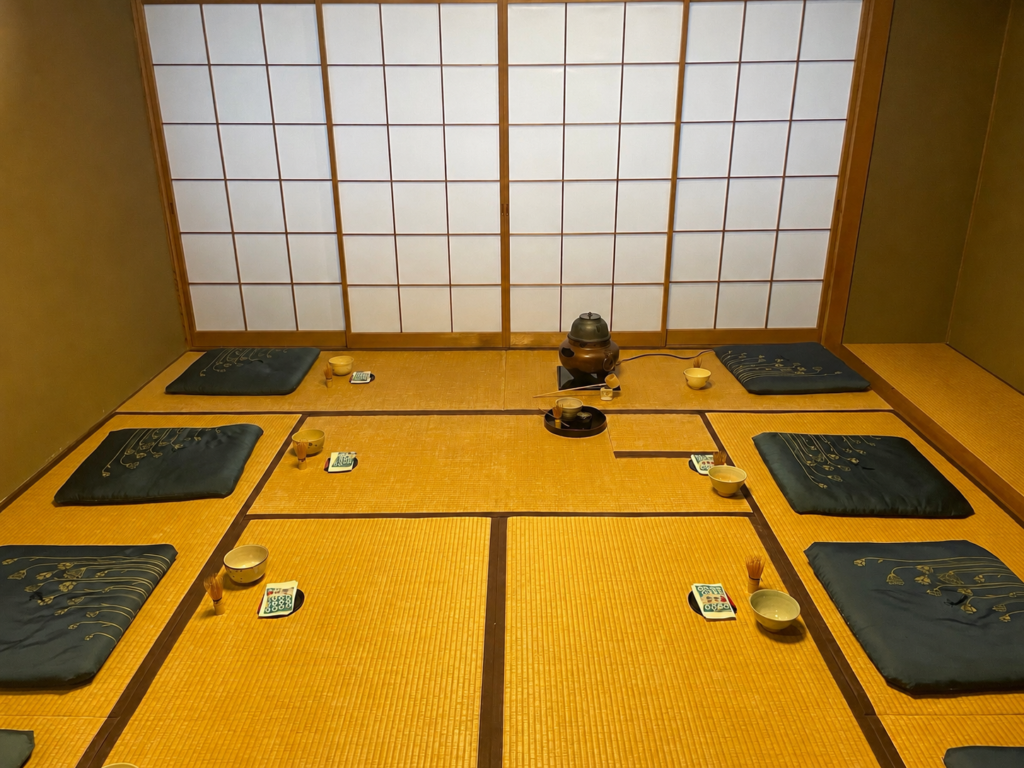
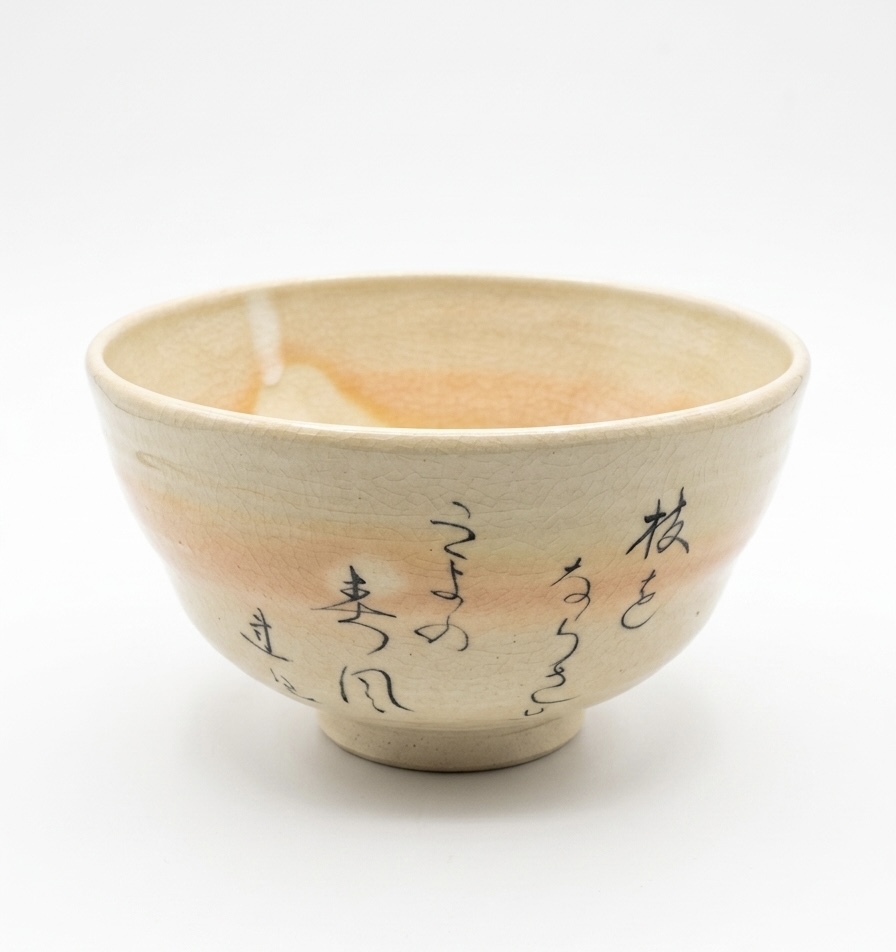
At GreenTeaTokyo, we offer matcha tea ceremony, calligraphy, and origami experiences that give people an easy and authentic way to connect with Japanese culture and its seasonal customs.
Our experiences can be held anywhere, from offices to hotels, making it simple to bring a taste of Japanese tradition into everyday spaces. If your company or group is interested in exploring Japanese culture alongside seasonal events like this, we would love to hear from you.
Learn more here: On-Site Matcha Tea Ceremony Experience