On November 5, 2026, it was announced that Japanese calligraphy, known as “shodo,” is on track to be inscribed on UNESCO’s Intangible Cultural Heritage list.
UNESCO’s evaluation body has recommended its inscription.
The proposal will be reviewed at the Intergovernmental Committee meeting in Xiamen, Fujian, China, from November 30 to December 5, and a formal decision is expected in early December.
If approved, shodo will become the 24th element from Japan on the list.
Shodo Is About More Than Writing Characters
Shodo is a traditional Japanese art in which kanji and kana are written with a brush, ink, and an inkstone.
Its roots go back to the 6th century, when the arrival of Buddhism brought the practice of copying sutras.
During the Heian period, Japan developed its own distinctive styles of writing, including the flowing kana script.
But the appeal of shodo goes beyond beautiful handwriting.
The movement of the brush, the shades of the ink, the placement of each character, and the use of empty space all matter.
Even when two people write the same character, the result looks different.
Each stroke carries the writer’s personality, and the characters themselves become a work of art.
Shodo has also long been part of everyday life in Japan, from the New Year’s first calligraphy (kakizome) and handwritten letters to signing the guest book at weddings and funerals.
Why Handwriting Matters in the Digital Age
Smartphones and computers have become essential, and we write by hand less and less.
That is exactly why picking up a brush and writing with your own hand feels so special.
Dip the brush in ink. Face the blank paper.
Even if the result is not what you pictured, it is still your own expression.
The goal is not to write perfectly. It is to enjoy the feel of the brush and spend a quiet moment with Japan’s written culture.
From Learning About Japan to Experiencing It
GreenTeaTokyo brings on-site Japanese cultural experiences to corporate events, hotels, and international visitors.
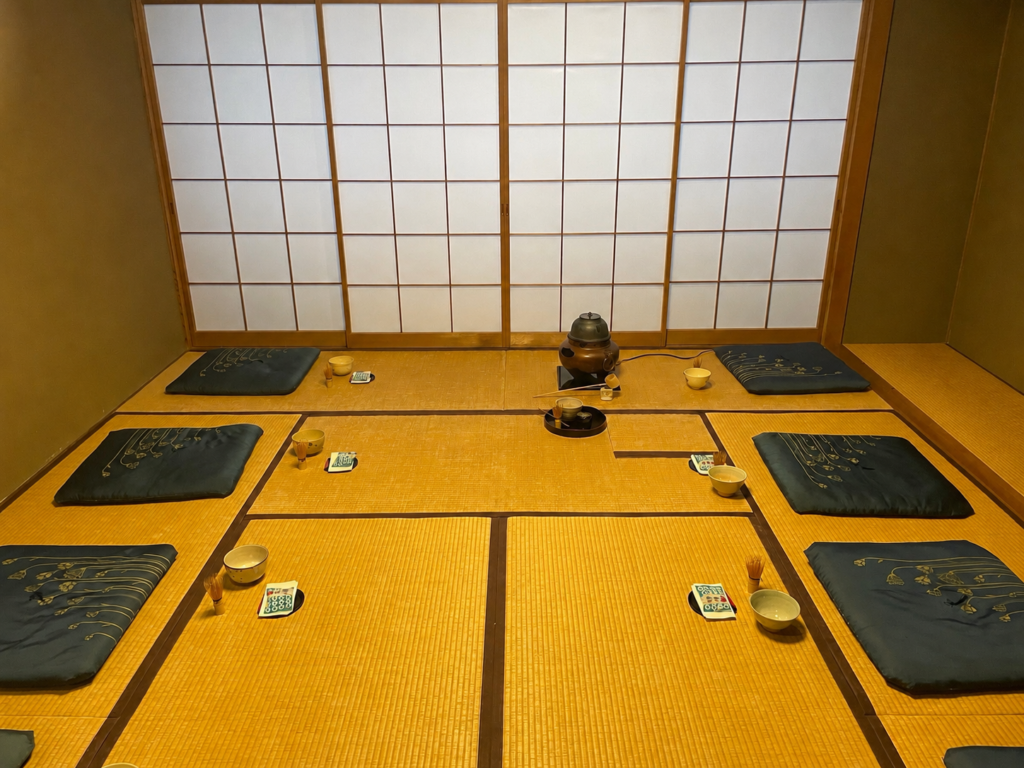
Our core offering is the on-site matcha tea ceremony.
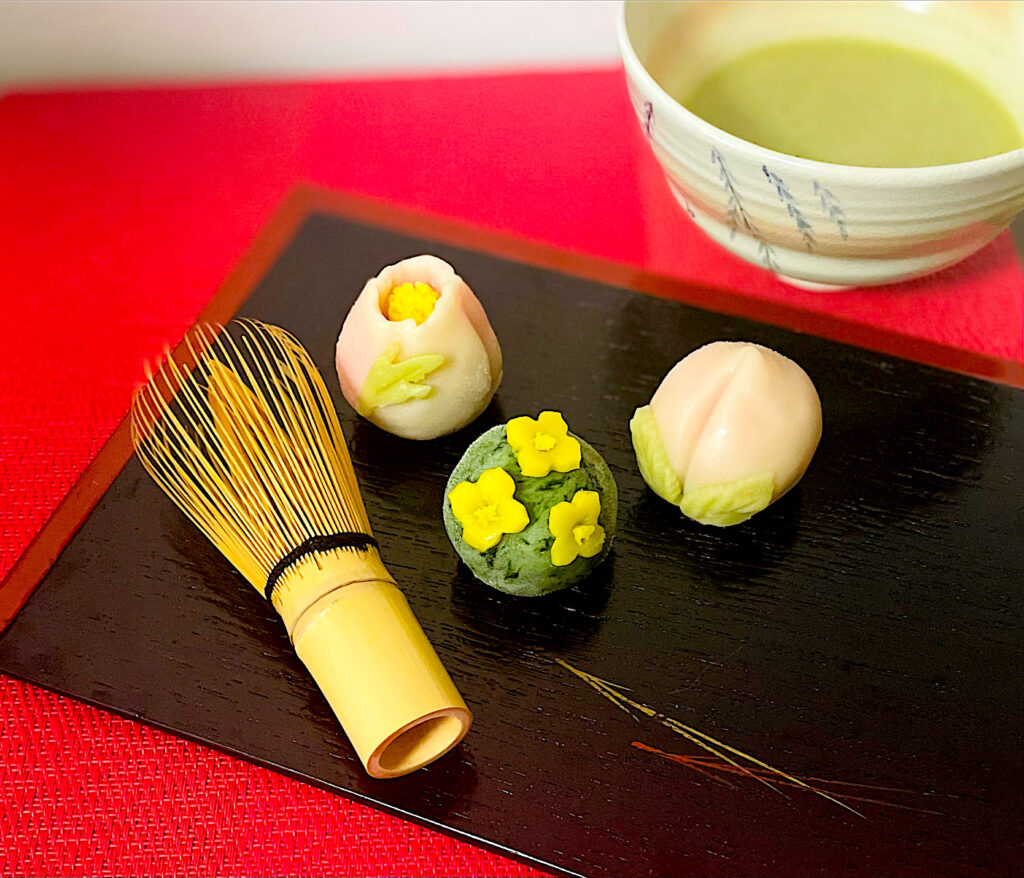
After an introduction from our instructor, each guest whisks their own bowl of matcha and enjoys it with a Japanese sweet.
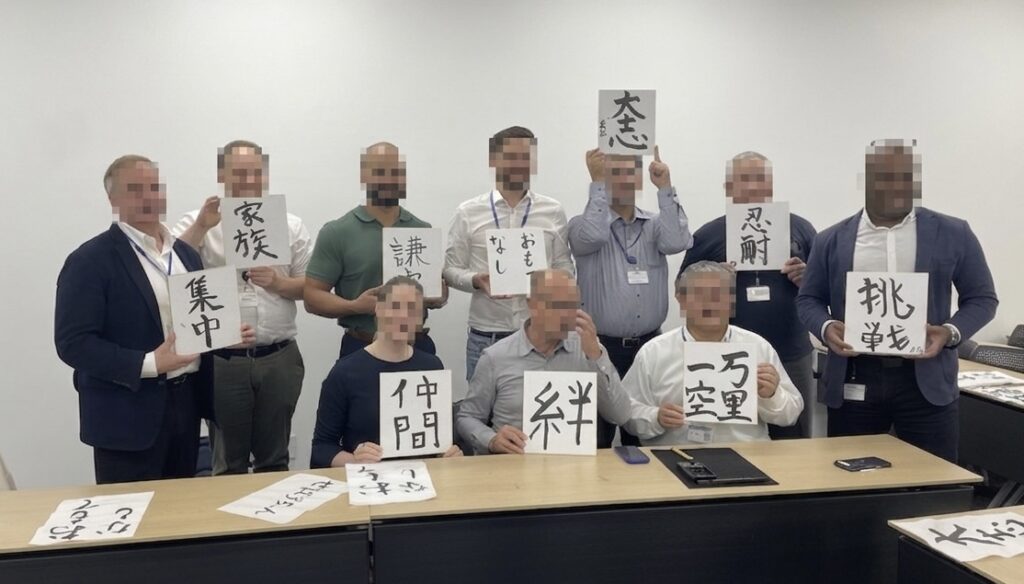
You can also add a calligraphy experience to the tea ceremony.
How the Calligraphy Experience Works
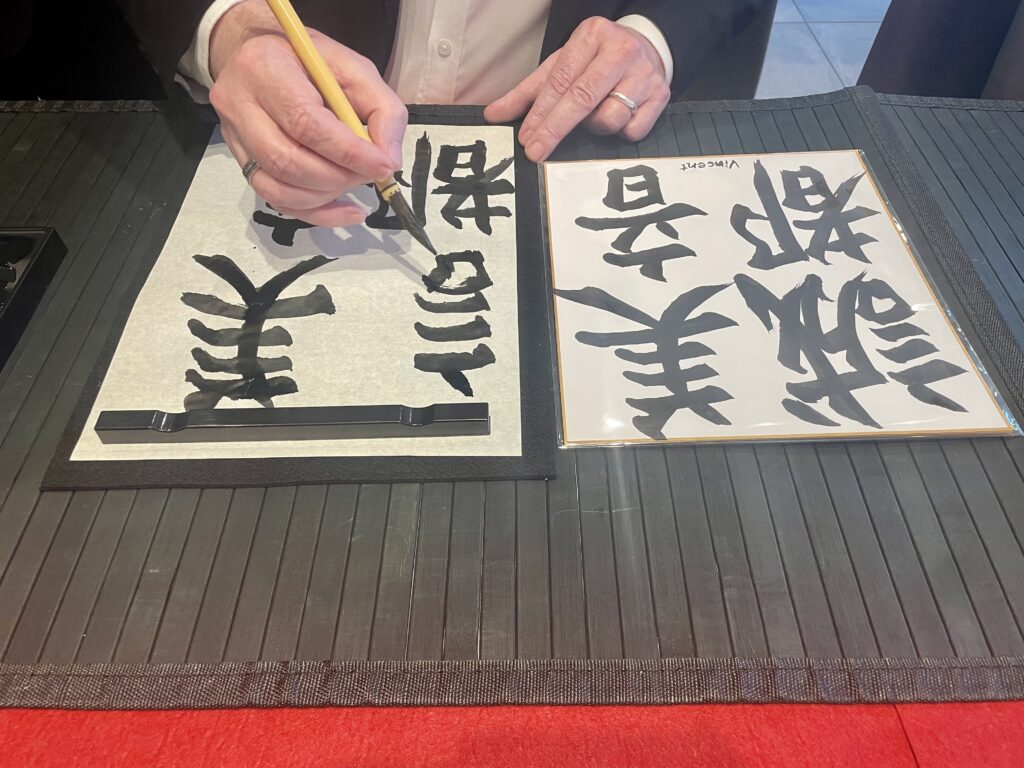
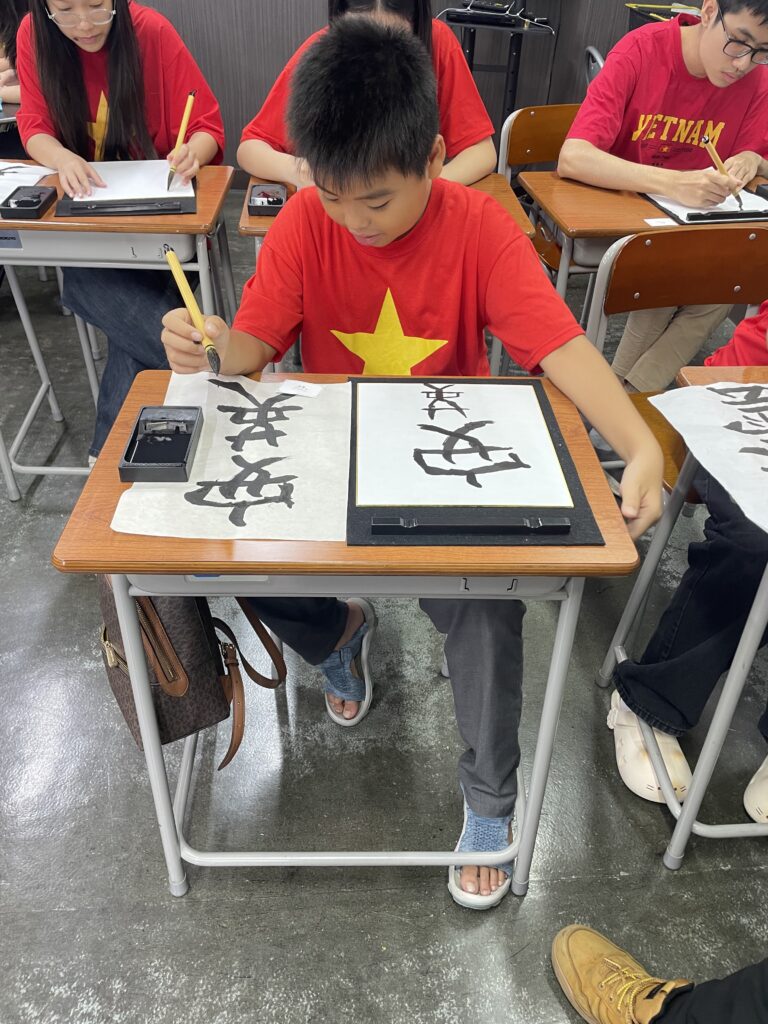
Guests start by practicing on practice paper.
If you wish, your best piece can be mounted on a backing board to take home.
We prepare a model in advance, so please tell us your name or the characters you would like to write.
If you would like your name written in kanji, we can prepare that for you.
Our instructor brings everything on the day: brushes, ink, inkstones, matcha, Japanese sweets, and tea ceremony tools.
Our standard program is the matcha experience only.
Calligraphy and origami are not included unless requested, so please let us know if you would like to add them.
A Memorable Experience for International Guests
Even first-time brush users can write a character they like and enjoy the shapes of the Japanese script.
For guests from overseas, writing Japanese characters by hand is a rare chance to feel Japanese culture up close.
We hope this UNESCO recommendation inspires even more people, in Japan and abroad, to take an interest in shodo.
Japanese culture, closer and more enjoyable.
GreenTeaTokyo will keep creating opportunities for people to experience it.
Contact Us About On-Site Calligraphy and Matcha Experiences
GreenTeaTokyo offers matcha and calligraphy experiences for corporate events, hotels, and international visitors.
We will tailor the program to your event, group size, and preferences.
Please see the on-site calligraphy experience page for details, and feel free to get in touch.