Chimaki for Tango no Sekku: The Story Behind Japan’s Traditional Rice Dumpling
May 5th is Children’s Day in Japan — a holiday marked by samurai helmets, carp streamers, and a special sweet: chimaki, the traditional Japanese rice dumpling.
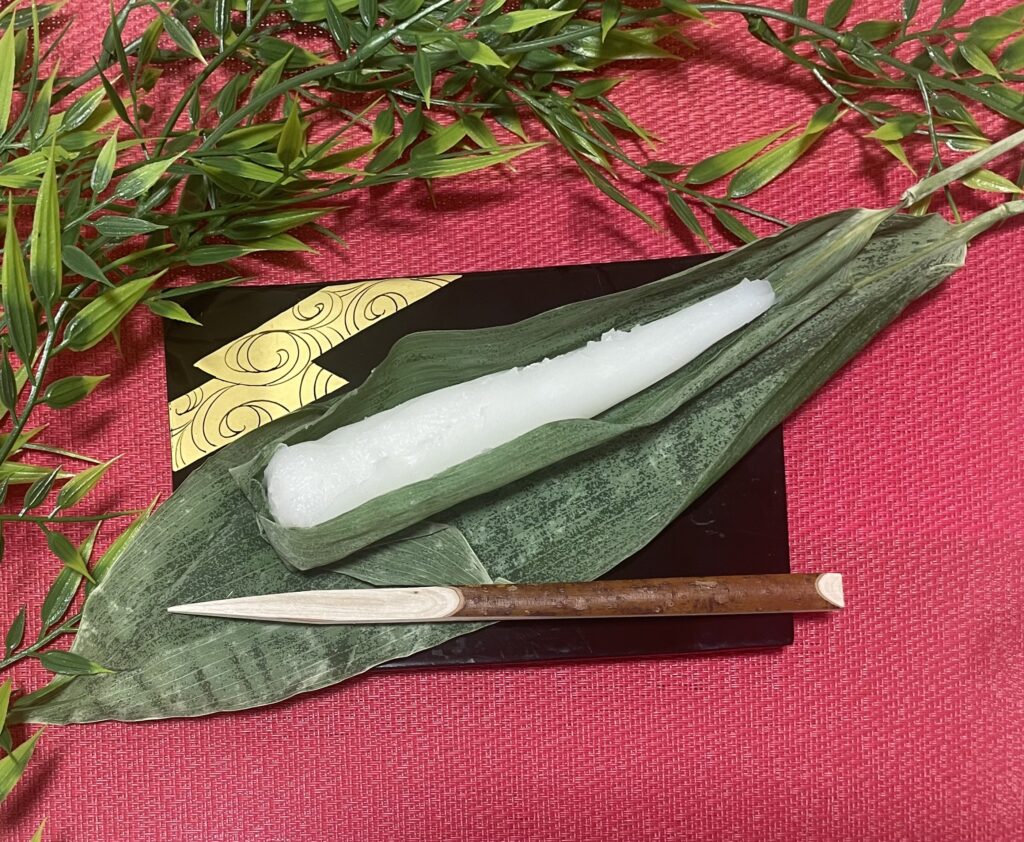
We recently received some beautiful chimaki from a wagashi (Japanese confectionery) artisan we work with. Wrapped in bamboo leaves and quietly elegant in appearance, these small sweets carry a story stretching back thousands of years.
Here’s a look at the origins of chimaki and the Japanese culture surrounding this seasonal treat.
The Origins of Chimaki: A Story from Ancient China
The history of chimaki begins not in Japan, but in China — roughly 2,300 years ago.
There lived a poet and statesman named Qu Yuan (屈原), who was deeply loved by the people of the Chu kingdom. Betrayed by political rivals, he was driven from his homeland and threw himself into a river on the fifth day of the fifth lunar month.
Grief-stricken, the people cast offerings into the water to honor him — but believed the offerings were stolen by dragons lurking beneath the surface. So they began wrapping rice in bamboo leaves (which dragons were said to dislike) and tying them with five-colored thread to ward off evil spirits, before casting them into the river.
This custom eventually made its way to Japan along with the Tango no Sekku (Boys’ Festival) tradition, where it has been celebrated ever since.
Three Styles of Chimaki — Surprisingly Different by Region
One of the most fascinating things about chimaki is how dramatically it changes depending on where in Japan you are.
Kansai-style chimaki is a sweet confection made from rice flour or kudzu (arrowroot), wrapped in bamboo leaves. Light in sweetness with a delicate fragrance, it’s often served with kinako (roasted soybean flour) or kuromitsu (black sugar syrup). This style spread from Kyoto, where the custom arrived from China via the imperial court.
Kanto-style chimaki is closer to a savory sticky rice dish — glutinous rice mixed with ingredients and steamed, similar to the Chinese zongzi. Same name, entirely different food.
Then there’s a lesser-known third style: sasамaki from the Tohoku and Hokuriku regions (Niigata, Yamagata, Akita, etc.). Here, glutinous rice is wrapped in bamboo leaves and simmered in lye water (ash water), then eaten with kinako or kuromitsu. Yamagata’s sasamaki has even been recognized by the Agency for Cultural Affairs as a “100-Year Food” — a certified piece of living culinary heritage.
Three regions, three completely different foods — all called “chimaki.” That’s the depth of Japanese food culture.
Chimaki and Matcha: A Perfect Pairing
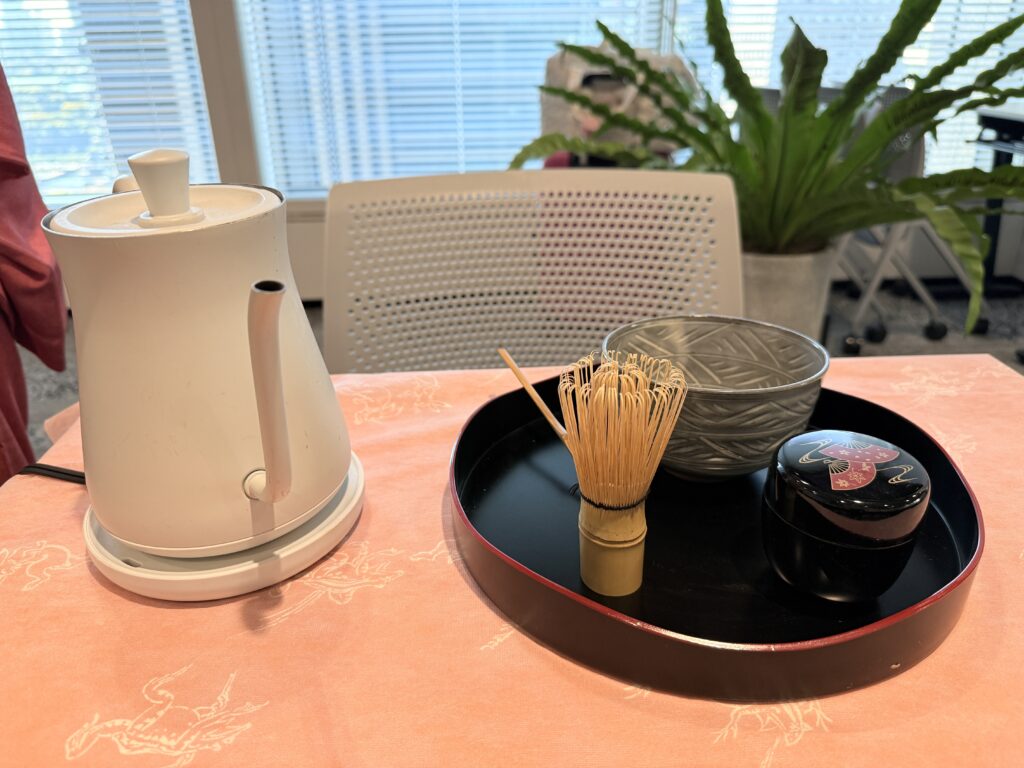
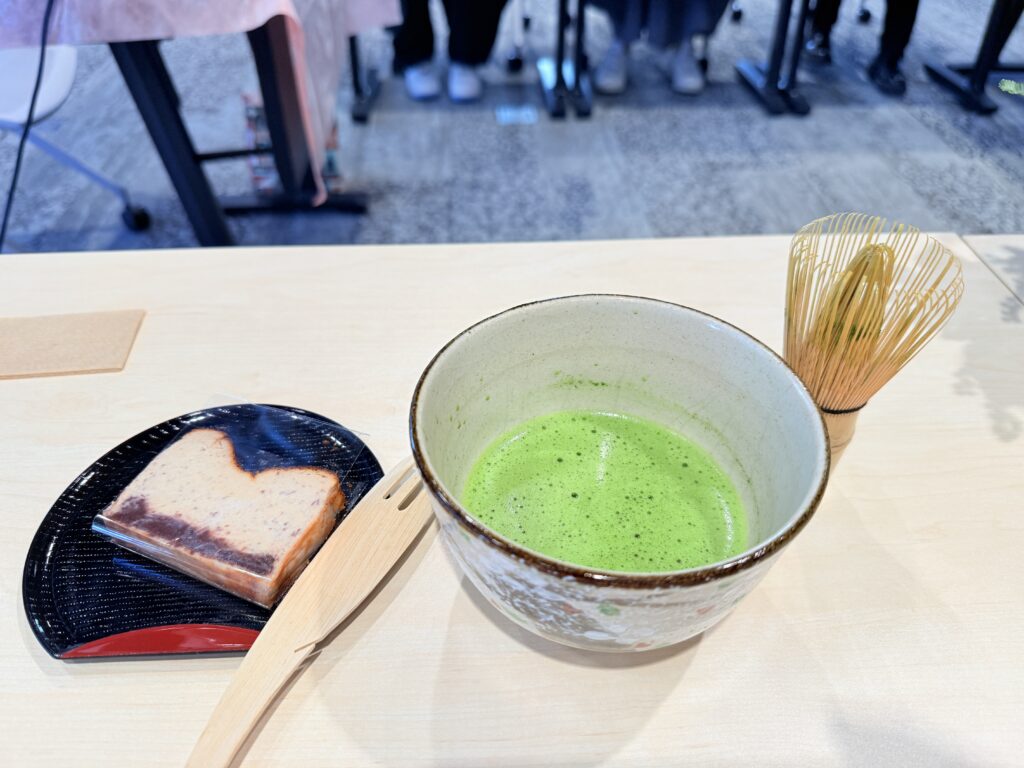
Seasonal wagashi like chimaki pair beautifully with a bowl of freshly whisked matcha.
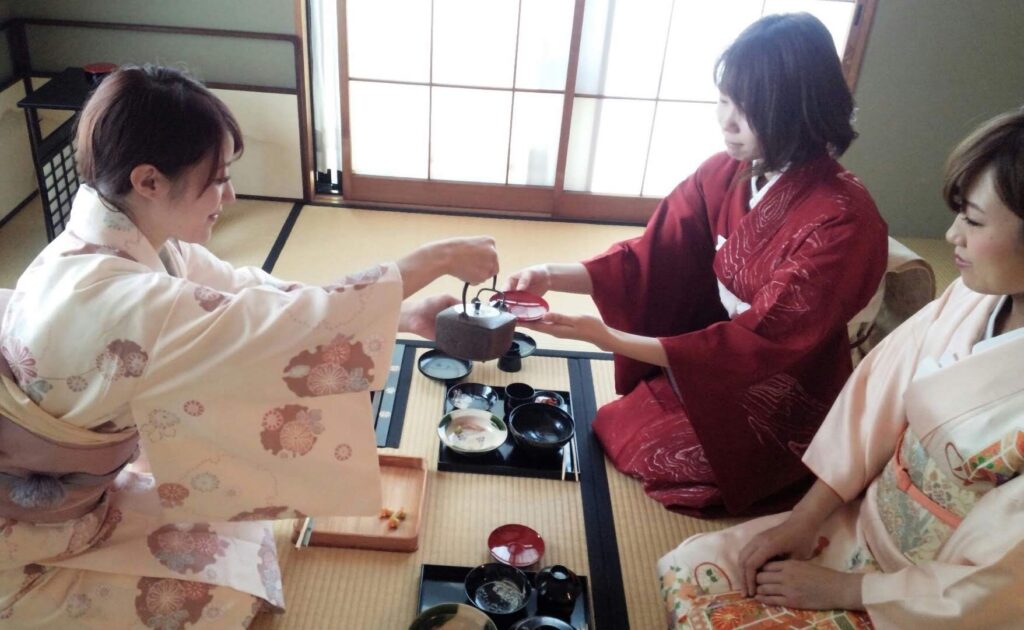
In the tea ceremony tradition, choosing sweets that reflect the season is considered just as important as the tea itself. Serving chimaki or kashiwa mochi (oak leaf rice cake) alongside matcha in May brings the spirit of the season directly into the bowl.
For visitors to Japan or anyone curious about Japanese culture, experiencing seasonal wagashi with matcha is one of the most memorable and immersive ways to connect with traditional Japanese life.
Experience It Yourself: On-Site Matcha Ceremony
At GreenTeaTokyo, we bring the tea ceremony experience directly to you — to your office, hotel, event venue, or any location of your choice.
We serve seasonal Japanese sweets alongside freshly whisked matcha, guided by our experienced instructors. English-speaking staff are available, making the experience welcoming for international guests.
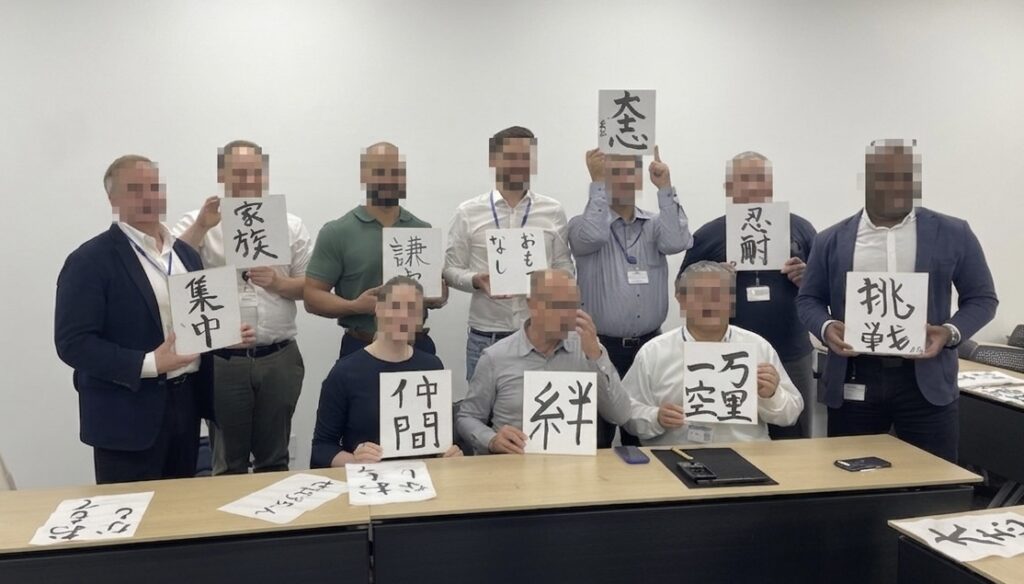
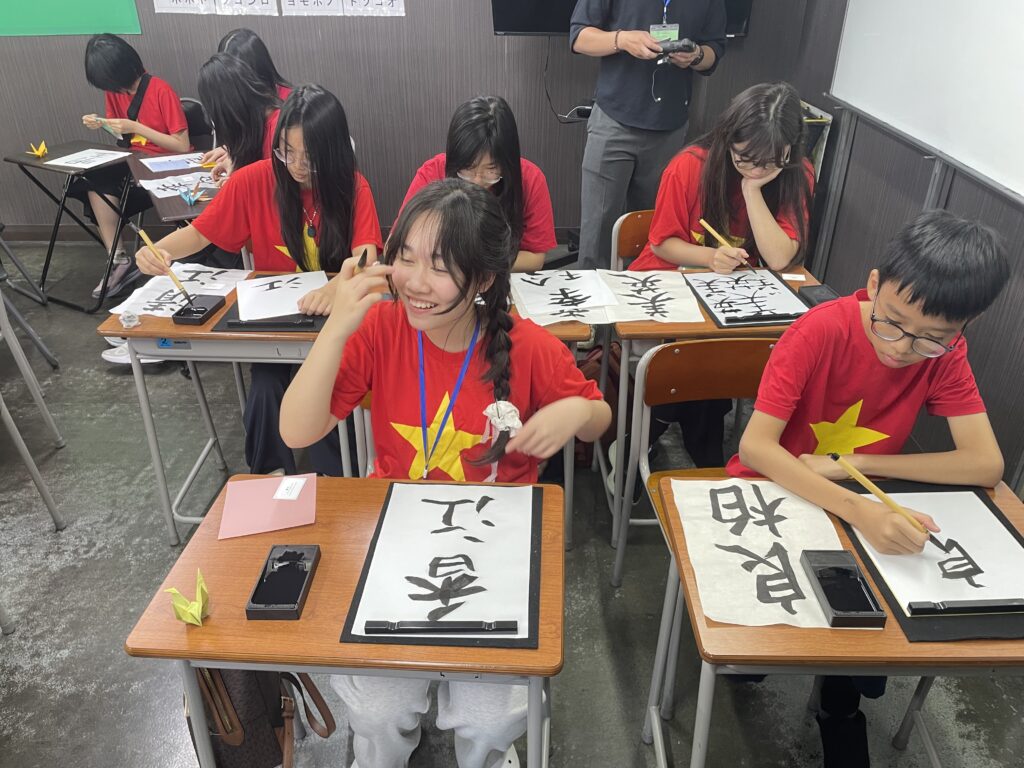
Calligraphy and origami workshops can also be combined for a fuller cultural experience.
If you’re interested in booking around Children’s Day or any other time of year, we’d love to hear from you.
▶ Learn more about our on-site matcha experience