“How long has tea ceremony been around?”
One of our guests asked me this during a recent experience session. I told her it goes back over a thousand years — which is true — but I thought it deserved a more complete answer. So here’s a brief walkthrough of how the Japanese tea ceremony came to be.
The Heian Period: Tea Arrives in Japan
The earliest recorded mention of tea in Japan dates to 815 AD, during the Heian Period.
According to the historical chronicle Nihon Kōki, a Buddhist monk named Eichu — returning from Tang Dynasty China — offered tea to Emperor Saga. The monk Saichō, founder of the Tendai school of Buddhism, is also said to have brought tea seeds back from China around the same time.
At this stage, tea was an exclusive luxury enjoyed only by the imperial court and high-ranking monks. When Japan ended its diplomatic missions to China in 894, the practice of drinking tea gradually faded.
The Kamakura Period: Matcha Takes Root
Tea made a comeback in the Kamakura Period (12th–14th century), and this time it would stick.
In 1191, the Zen monk Myoan Eisai returned from Song Dynasty China carrying tea seeds, which he planted and cultivated. He also authored Kissa Yōjōki (Drinking Tea for Health) — Japan’s first book dedicated entirely to tea — earning him the title of “father of Japanese tea.”
Crucially, the method Eisai brought back involved grinding tea leaves into a fine powder and whisking them with hot water. This is the direct ancestor of the matcha we know today.
The Muromachi Period: The Birth of Wabi-Cha
During the Muromachi Period (14th–16th century), tea culture spread widely among the warrior class and aristocracy. Elaborate tea gatherings — featuring imported Chinese utensils and competitive displays of wealth — became fashionable.
But a quieter movement was taking shape in parallel.
A monk from Nara named Murata Jukō (1423–1502) rejected the extravagance of these gatherings and proposed a radically different approach: tea served in a simple four-and-a-half tatami mat room, with humble Japanese utensils, centered on inner stillness rather than outward display. This became known as wabi-cha — the tea of understated beauty.
His successor, Takeno Jōō (1502–1555), refined the aesthetic further, weaving in the sensibility of classical Japanese poetry and elevating tea into something between spiritual practice and art form.
The Azuchi-Momoyama Period: Sen no Rikyū Perfects the Art
No figure looms larger in the history of tea ceremony than Sen no Rikyū (1522–1591).
Born into a merchant family in Sakai, Rikyū inherited the wabi-cha tradition from Murata Jukō and Takeno Jōō — and pushed it to its logical extreme. He stripped away everything non-essential: smaller tea rooms, fewer decorations, plainer utensils. What remained was an intensely focused encounter between host and guest, shaped by Zen philosophy and an acute sensitivity to the present moment.
Rikyū served as tea master to both Oda Nobunaga and Toyotomi Hideyoshi — two of the most powerful warlords of the age — and his influence on Japanese culture was immense. The form of tea ceremony he established is the direct foundation of what is practiced today.
After his death, Rikyū’s legacy was carried forward by his descendants, giving rise to the three main schools of tea that continue to this day: Urasenke, Omotesenke, and Mushakōjisenke.
The Edo Period Onward: Tea for Everyone
During the Edo Period, tea ceremony became more widely accessible as the traditions and forms established by Rikyū were codified and taught more broadly. By the Meiji Era, tea had become part of the standard curriculum for young women from good families.
After World War II, the practice spread internationally. Today, tea ceremony is studied and appreciated around the world — not just in Japan.
More Than 1,200 Years in a Single Bowl
Tea first arrived in Japan in the 9th century. Matcha culture took root in the 12th century. And the tea ceremony as we know it was perfected in the 16th century.
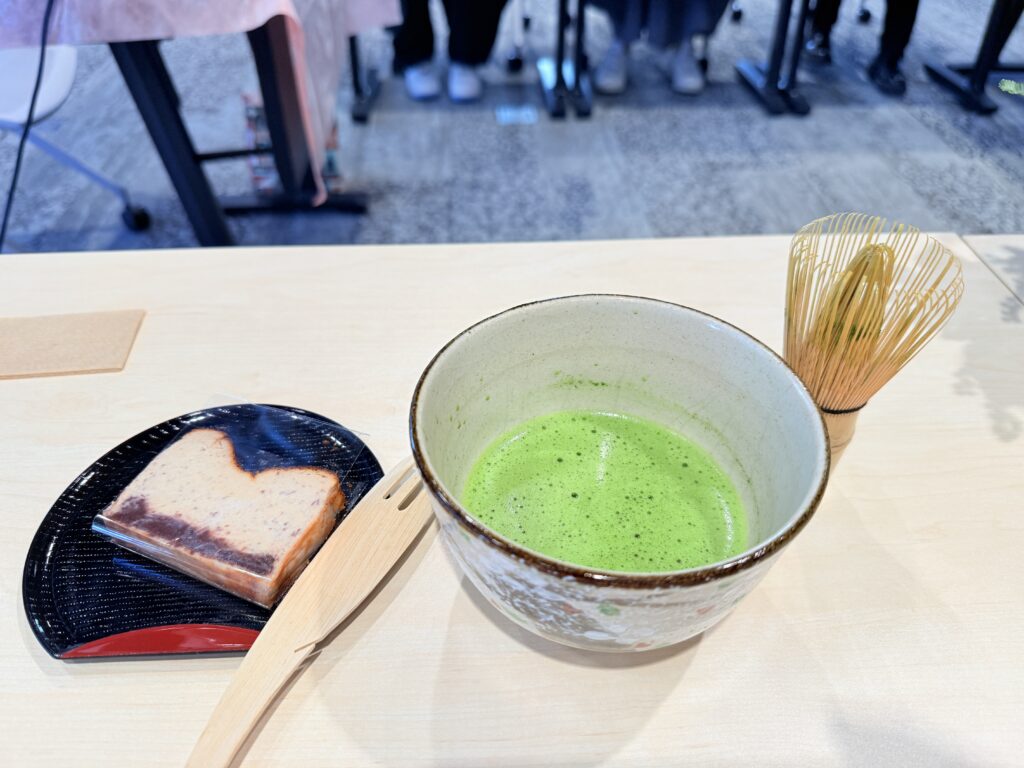
Over a thousand years of history — in every bowl of matcha.
That’s what makes the experience so quietly remarkable. Something as simple as whisking powdered tea carries the weight of centuries of philosophy, aesthetics, and human connection.
Experience It for Yourself
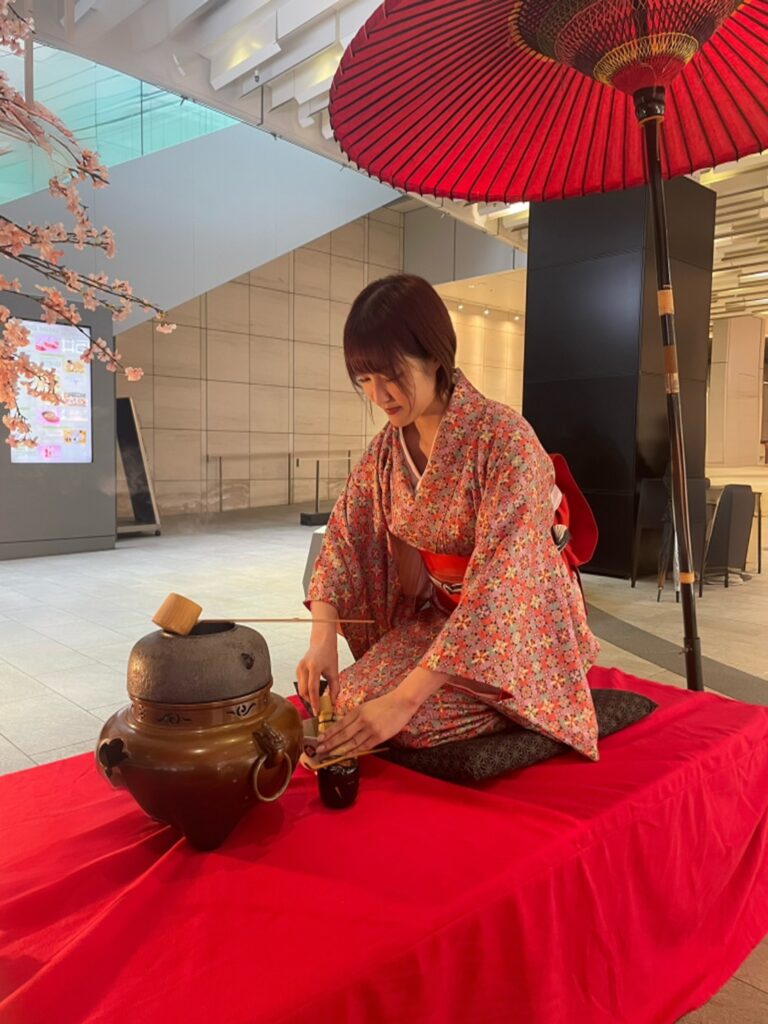
GreenTeaTokyo offers on-site tea ceremony experiences across Tokyo and Yokohama. We come to your venue — hotel, office, or event space — and lead an authentic matcha experience in English or Japanese.
▶ Learn more about our on-site tea ceremony