Ohigan & Matcha | The Meaning of Botamochi, Ohagi, and Tea Ceremony Culture
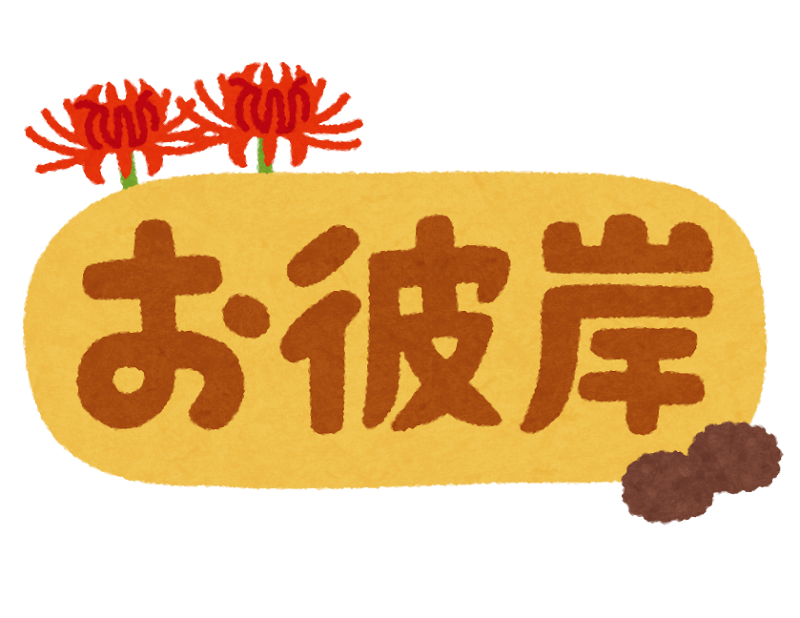
Ohigan is almost here.
This season — centered around the spring equinox — is a time to visit family graves, tend to home altars, and quietly honor those who came before us.
When botamochi appears in sweet shops and supermarkets, you know spring has truly arrived in Japan.
In this article, we explore the meaning behind Ohigan, the story of botamochi and ohagi, and how this reflective season connects with the spirit of tea ceremony.
What Is Ohigan?
Ohigan refers to a 7-day period centered on the spring and autumn equinoxes — three days before, the equinox itself, and three days after.
In 2026, the spring Ohigan runs from March 17 to March 23, with March 20 as the central day (spring equinox).
The word “higan” traces back to the Sanskrit term paramita, which means “to reach the other shore” — a state of enlightenment beyond earthly suffering and desire.
In Buddhist thought, the world we live in — full of distraction and attachment — is called shigan (此岸, “this shore”).
The enlightened world, where our ancestors dwell, is higan (彼岸, “the other shore”).
On the spring and autumn equinoxes, the sun rises precisely in the east and sets precisely in the west.
Since Pure Land Buddhism places paradise in the west, these days are considered the time when the two worlds come closest to each other — making them the ideal moment to honor one’s ancestors.
A Uniquely Japanese Custom
Although rooted in Buddhism, Ohigan is found nowhere else in the Buddhist world — not in India, not in China, not in other Buddhist countries.
It is believed to have grown from an ancient Japanese practice called higan (日願), a form of sun worship tied to gratitude for nature and ancestral spirits.
When Buddhism arrived, this native tradition merged with Buddhist concepts of the “other shore,” giving rise to Japan’s distinctive Ohigan customs.
The earliest recorded Ohigan observance dates to the early Heian period (806 CE), when seven days of sutra readings were held to pacify the spirit of Prince Sawara.
By the mid-Edo period, visiting family graves during Ohigan had become a widely practiced custom across Japan.
Botamochi & Ohagi | The Meaning Behind the Sweet
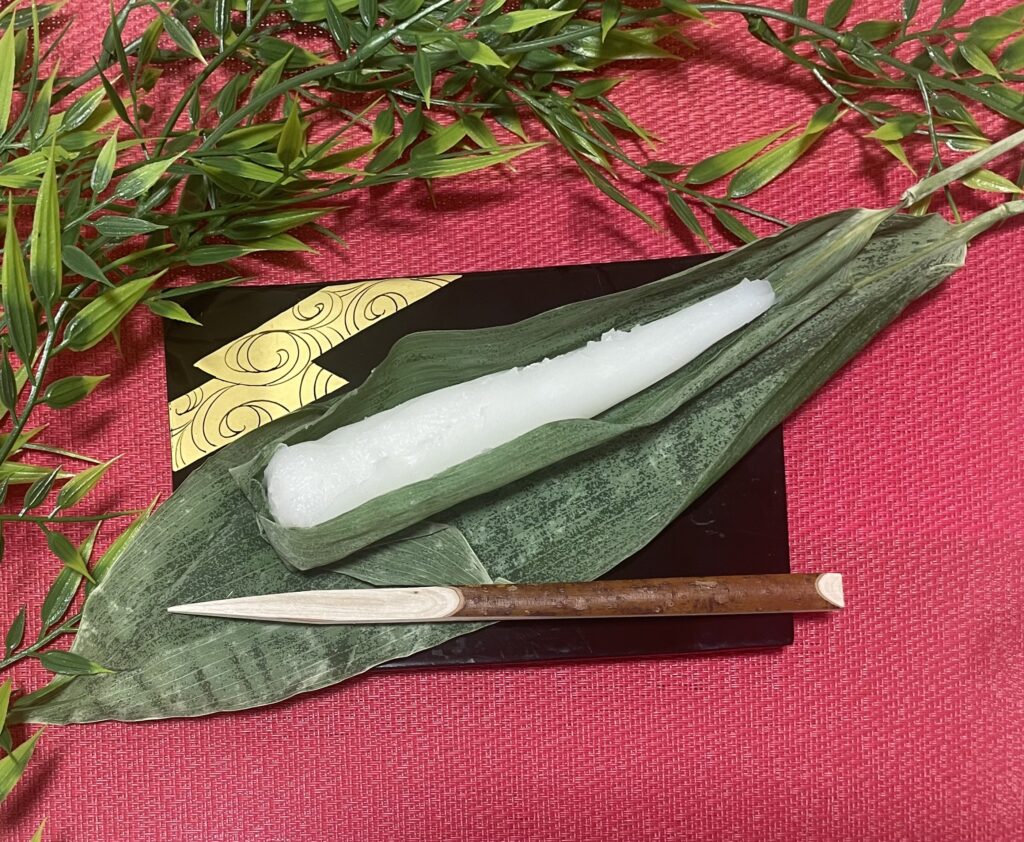
Botamochi and ohagi are essentially the same confection — sticky rice wrapped in sweet red bean paste — but they are named differently depending on the season.
In spring, they are called botamochi (牡丹餅), named after the botan (peony) flower that blooms at this time.
In autumn, they are called ohagi (御萩), named after the hagi (bush clover), one of the seven flowers of autumn.
Even the filling differs by season — a reflection of Japan’s deep attentiveness to nature.
Autumn ohagi uses chunky tsubu-an (whole bean paste), as the azuki beans have just been harvested and their skins are still tender.
Spring botamochi uses smooth koshi-an (strained paste), as the stored beans have dried out and their skins become too firm to eat whole.
The Power of Red to Ward Off Evil
One reason azuki bean sweets are offered at Ohigan is the ancient belief that the red color of azuki beans drives away evil spirits and protects the living.
Sugar was also once a precious commodity in Japan, so offering something sweet was a meaningful gesture of gratitude to one’s ancestors.
There is also a poetic reading: combining mochi (rice cake) and an (bean paste) — “merging two things” — symbolizes bringing your heart together with that of your ancestors.
Tea Ceremony and Ohigan | Connecting Through Zen
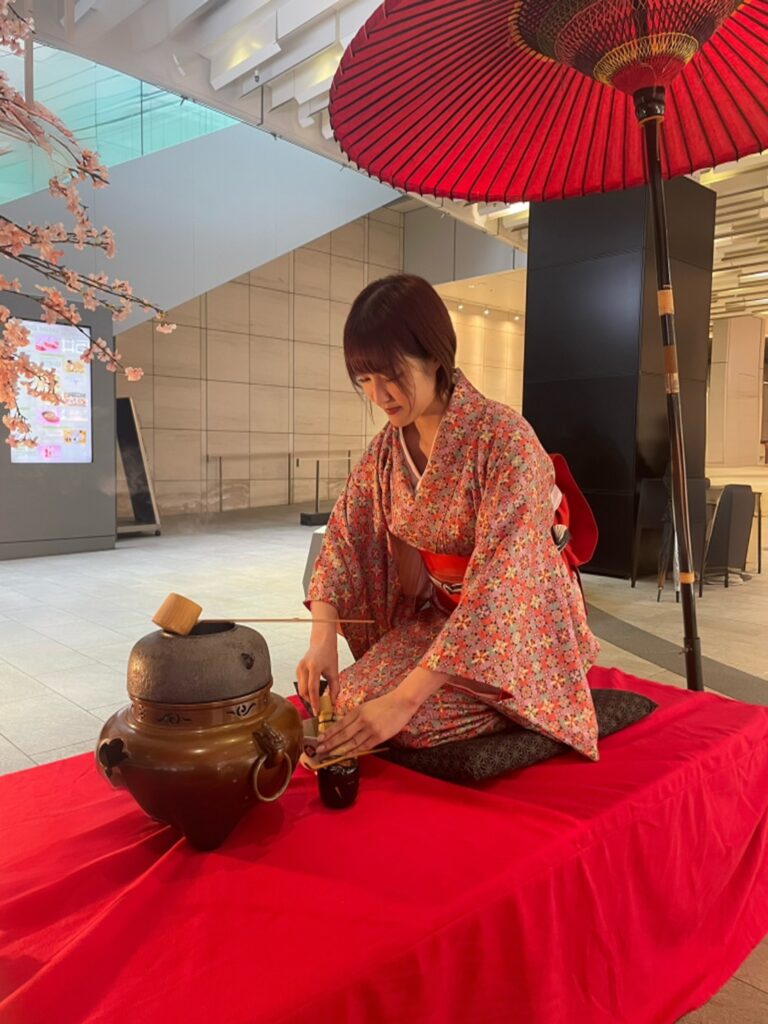
The Japanese tea ceremony has its roots in Zen Buddhism.
In Zen monasteries, a ritual called sarei (茶礼) — the communal drinking of tea — has been practiced for centuries.
Sharing a bowl of tea with others was a way to cultivate harmony and togetherness, known as wago.
Tea master Sen no Rikyu later brought this spiritual practice to its most refined form, teaching the concept of ichi-go ichi-e (一期一会) — “one time, one meeting” — the idea that every encounter is unique and should be cherished fully.
This spirit resonates deeply with Ohigan.
The season asks us to pause, reflect on those who came before us, and be present with gratitude.
In Buddhist teaching, Ohigan is also a period for practicing the six virtues (Roku-haramitsu) — generosity, ethical conduct, patience, effort, meditation, and wisdom.
These are precisely the qualities that tea ceremony cultivates in each bowl.
Quietly preparing and drinking a bowl of matcha during Ohigan is, in its own way, a form of reflection — a moment to honor the past and settle the mind.
Seasonal Sweets and Matcha, Together
In tea ceremony, seasonal sweets are always enjoyed alongside matcha.
During Ohigan, pairing a bowl of fresh matcha with botamochi or a spring-inspired wagashi is a tradition that spans centuries — a small ritual connecting the everyday with something quietly profound.
Our on-site matcha experience brings this tradition to you, wherever you are.
Guests whisk their own bowl of matcha and enjoy it with seasonal Japanese sweets — a gentle pause in the day, and a chance to feel the depth of Japanese culture firsthand.