March 5, 2026: Japan’s Luckiest Day of the Year — The Deep Connection Between Tea Ceremony and Good Fortune
Today, March 5, 2026, is an extraordinarily rare day in the Japanese calendar — four auspicious days overlap at once: Tenshanihi, Ichiryū Manbaibi, Tora no Hi, and Taian.
Rather than just buying a lottery ticket, why not explore how Japan’s ancient tradition of tea ceremony (chadō) connects to the culture of luck and good fortune?
What Makes Today So Special? Japan’s Lucky Days Explained
The Japanese lunar calendar has long recognized certain days as particularly auspicious. Here are the four lucky days that align today:
☀️ Tenshanihi (天赦日) — The Day Heaven Forgives All
Considered the most powerful lucky day in the Japanese calendar, Tenshanihi occurs only 5 to 6 times a year. It is said that on this day, heaven forgives all wrongdoing and blesses any new beginning. Starting something new today is believed to lead to great outcomes.
🌾 Ichiryū Manbaibi (一粒万倍日) — One Seed, Ten Thousand Returns
The name means “one grain of rice grows into ten thousand.” It symbolizes the idea that small actions taken today can multiply into something much greater — making it ideal for starting new ventures, habits, or experiences.
🐯 Tora no Hi (寅の日) — The Day of the Tiger
Named after the tiger, whose golden coat is associated with wealth, this day is linked to financial luck and prosperity. Like the tiger that “travels a thousand miles and returns,” it is said that what you put out today comes back to you.
⛩️ Taian (大安) — The Greatest Peace
The luckiest of the six-day Japanese calendar cycle (Rokuyo), Taian means “great peace” and is considered auspicious for all things — weddings, business launches, and new beginnings of any kind.
All four falling on the same day is exceptionally rare. Today may be the single luckiest day of 2026.
Tea Ceremony and Good Fortune — A Deeper Connection Than You Might Think
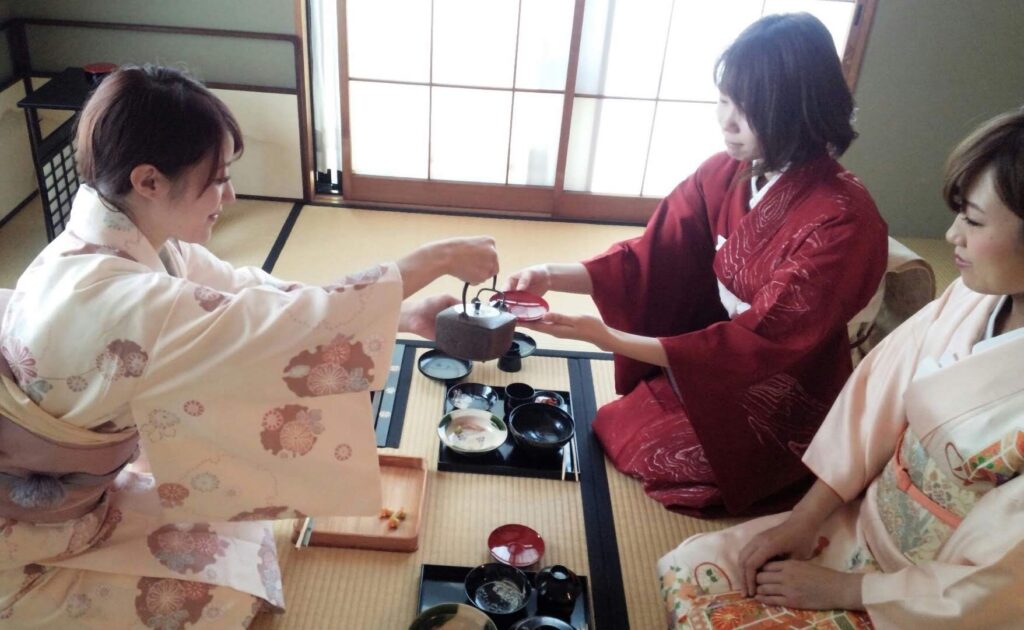
Tea ceremony may seem like a formal, intimidating practice — but at its heart, it carries the same spirit as Japan’s culture of luck and mindfulness.
“Ichi-go Ichi-e” — Treasure Every Moment
One of tea ceremony’s most famous principles, ichi-go ichi-e (一期一会) means “one time, one meeting” — the idea that every encounter is unique and will never happen again. This resonates deeply with the spirit of auspicious days: being fully present and intentional on a special day, rather than letting it pass unnoticed.
“Wa Kei Sei Jaku” — Harmony, Respect, Purity, Tranquility
The four principles taught by tea master Sen no Rikyū — harmony, respect, purity, and tranquility — are also foundations of a fortunate life. Many traditions across cultures suggest that a calm, grateful mind is the starting point for attracting good things.
Lucky Symbols in Tea Ceremony
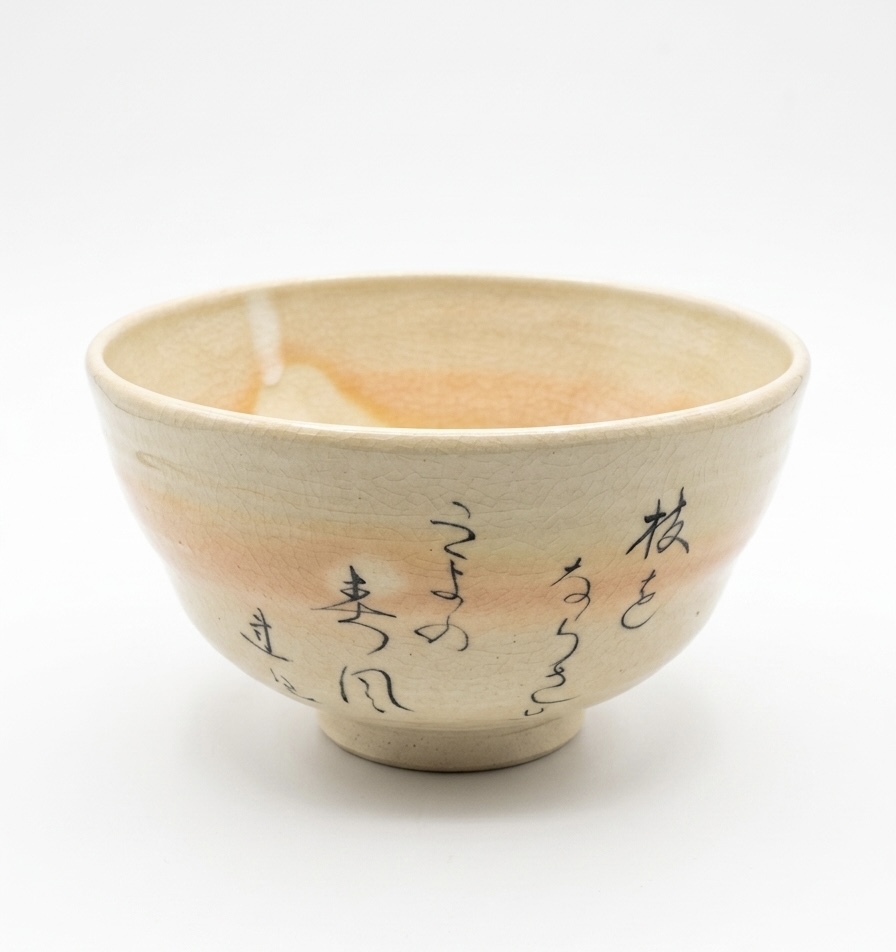
Look closely at the tea bowls and utensils used in tea ceremony, and you’ll often find auspicious motifs: pine, bamboo, plum, cranes, and turtles — all traditional Japanese symbols of luck, longevity, and prosperity. Good fortune is woven into every detail of the practice.
Start Something New on the Luckiest Day of the Year
Ichiryū Manbaibi is the perfect day to begin something that will multiply. Tenshanihi blesses all new starts. Together, they make today one of the best possible days to try something for the very first time.
Why not make your first tea ceremony experience that something?
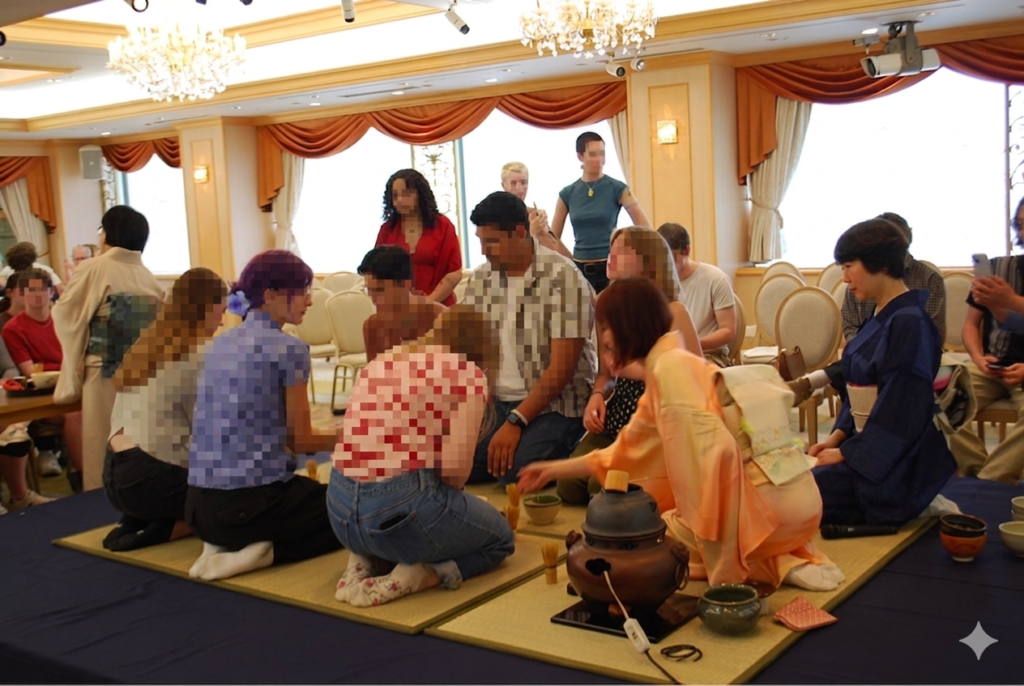
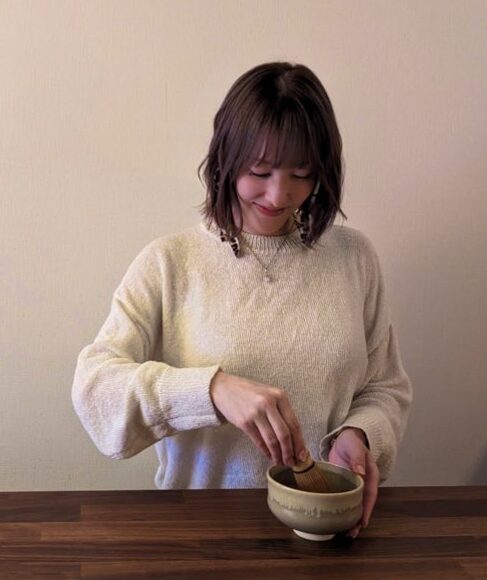
Sitting quietly, whisking matcha, and savoring a moment of stillness — it’s a small but meaningful act that connects you to centuries of Japanese culture and tradition.
🍵 Learn About Our Tea Ceremony Experience
In Summary
March 5, 2026 is an extraordinarily rare day where four of Japan’s most auspicious calendar days overlap — Tenshanihi, Ichiryū Manbaibi, Tora no Hi, and Taian.
Japan’s tea ceremony tradition and its culture of good fortune share the same spirit: being present, being intentional, and finding meaning in the moment.
On this special day, beginning something new — even something as simple as your first cup of matcha — might just be the best lucky charm of all.
At GreenTeaTokyo, we offer authentic tea ceremony experiences that come to you, anywhere in Tokyo. Perfect for first-timers, groups, and anyone looking to connect with Japanese culture.
View Tea Ceremony Details & Inquire