In October 2022, something significant happened for Japanese food culture.
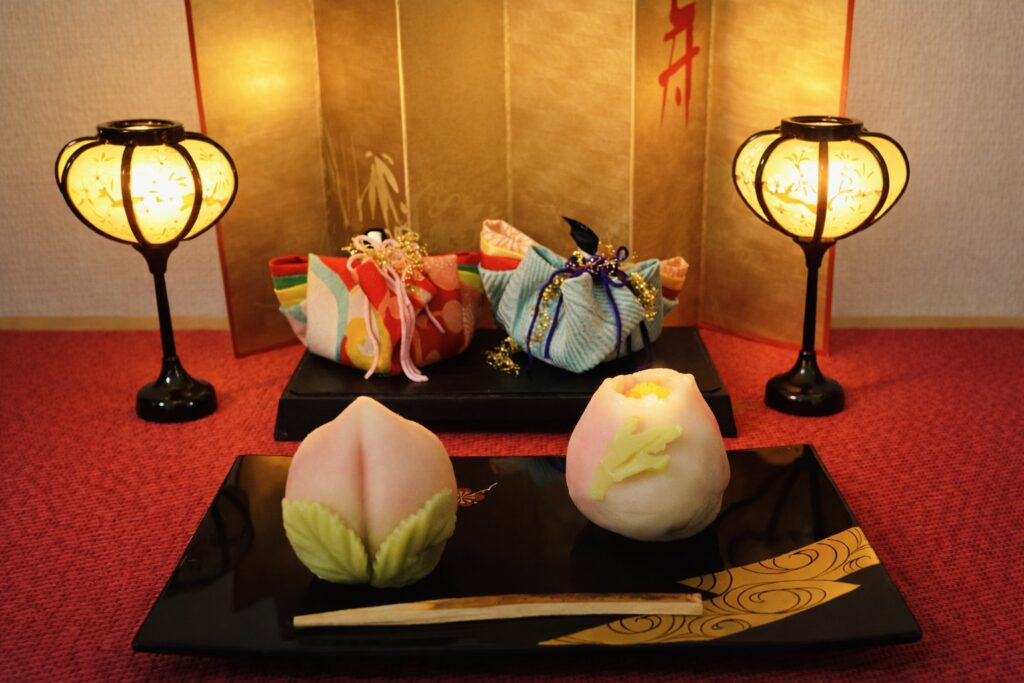
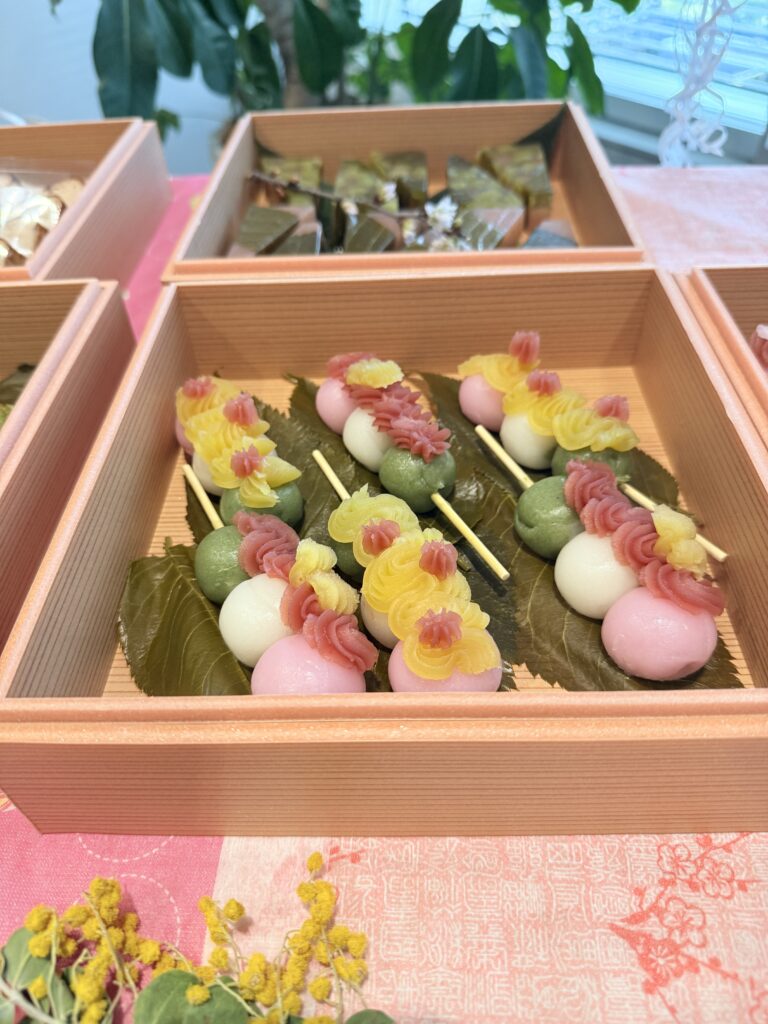
Namagashi with a kamei (nerikiri/konashi) — fresh Japanese sweets bearing poetic seasonal names — were officially registered as Japan’s Intangible Cultural Heritage by the Agency for Cultural Affairs.
Following washoku (Japanese cuisine) being inscribed on UNESCO’s Intangible Cultural Heritage list, wagashi has now received formal national recognition as a living cultural tradition worth protecting and passing on.
What is “Namagashi with a Kamei”?
Nerikiri and konashi are delicate fresh sweets made from refined white bean paste (koshi-an), blended with ingredients such as yamaimo yam or gyuhi (a soft mochi-like paste), then carefully kneaded and shaped by hand.
Skilled confectioners craft each piece to represent the seasons — cherry blossoms, autumn leaves, winter snow — using only their hands and simple tools.
Each sweet is then given a kamei: a poetic name that reflects its design and the season it represents. Before tasting, the guest reads the name — and in that moment, they are invited to feel the beauty of the Japanese seasons.
The Deep Connection Between Wagashi and Tea Ceremony
In the world of chado (the way of tea), wagashi is far more than a simple snack.
Served before matcha, the sweet plays an essential role: it prepares the palate by coating it with sweetness, allowing the bitterness of matcha to be fully appreciated.
The choice of wagashi, its design, and its kamei all reflect the host’s sense of season and cultural refinement. Wagashi and matcha are inseparable.
Wagashi at GreenTeaTokyo’s Matcha Experience
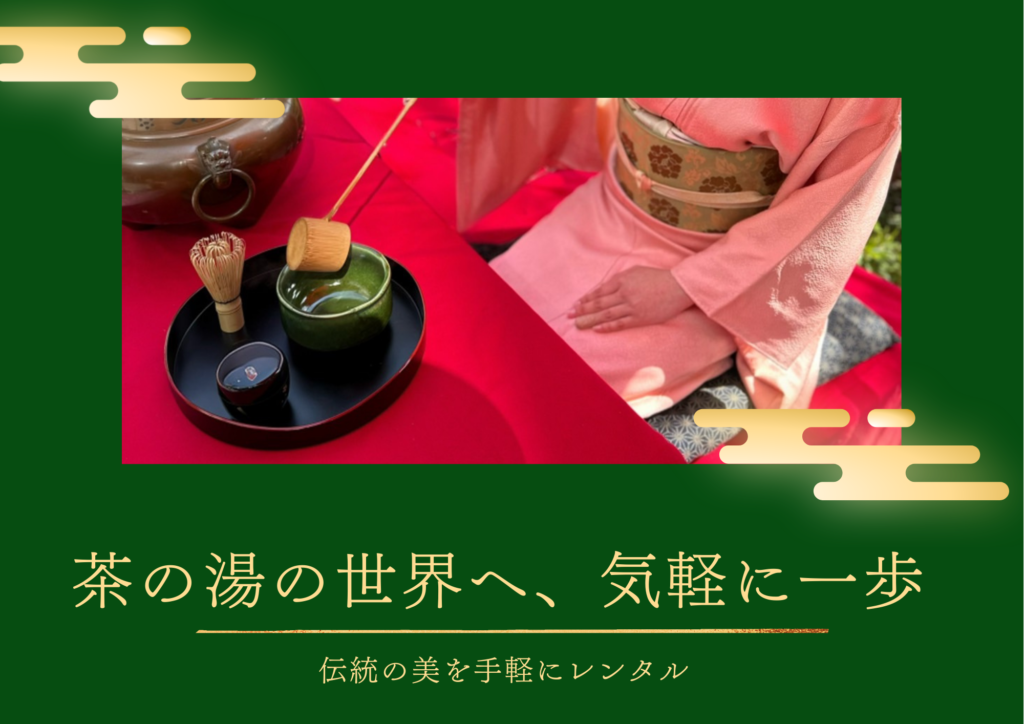
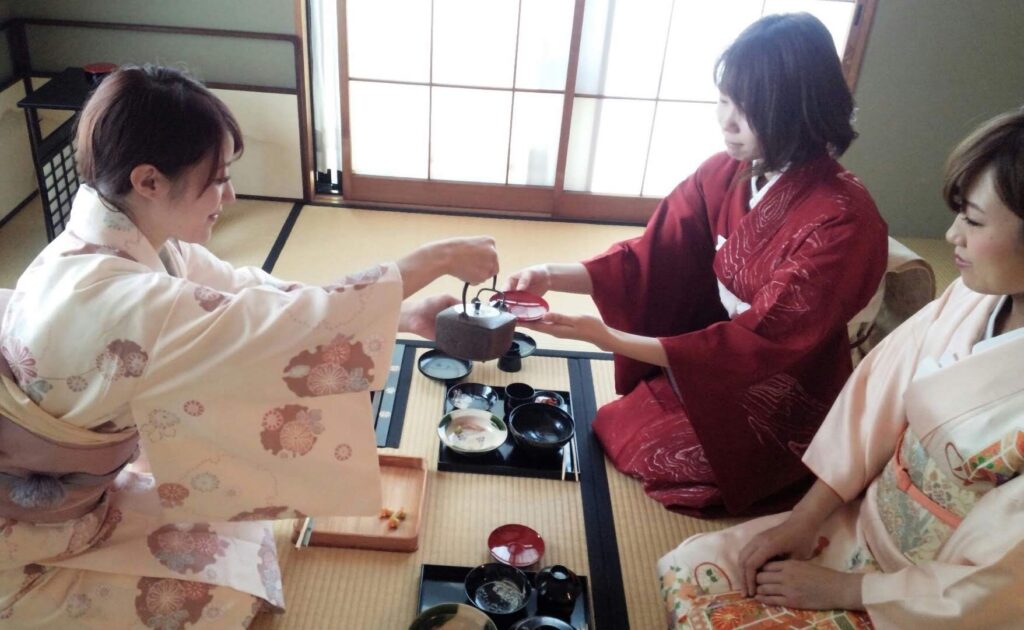
At GreenTeaTokyo’s on-site matcha experience, we include wagashi (Japanese sweets) as part of the session.
Guests enjoy the sweet before whisking their own bowl of matcha — following the natural flow of a traditional tea gathering, and experiencing firsthand why wagashi and matcha have always belonged together.
It’s a small but meaningful way to connect with a culture that Japan has now formally recognised as part of its living heritage.
What is Japan’s “Registered Intangible Cultural Heritage”?
Japan’s Registered Intangible Cultural Heritage (登録無形文化財) is a category established through a 2021 amendment to the Law for the Protection of Cultural Properties.
Unlike the older “Important Intangible Cultural Heritage” designation (associated with Living National Treasures), this newer system is designed to protect and preserve a broader range of everyday cultural practices and living traditions.
Only a small number of traditions have been recognised so far — including calligraphy, traditional sake brewing, namagashi, and Kyoto cuisine — making each registration genuinely significant.
In Closing
Wagashi is where artisan skill, Japan’s four seasons, and the spirit of tea ceremony converge.
Its recognition as a national cultural heritage is a reminder of how much meaning can be held in something as small and beautiful as a single sweet.
We’d love for you to experience that meaning firsthand — alongside a bowl of matcha, just as it was always meant to be enjoyed.