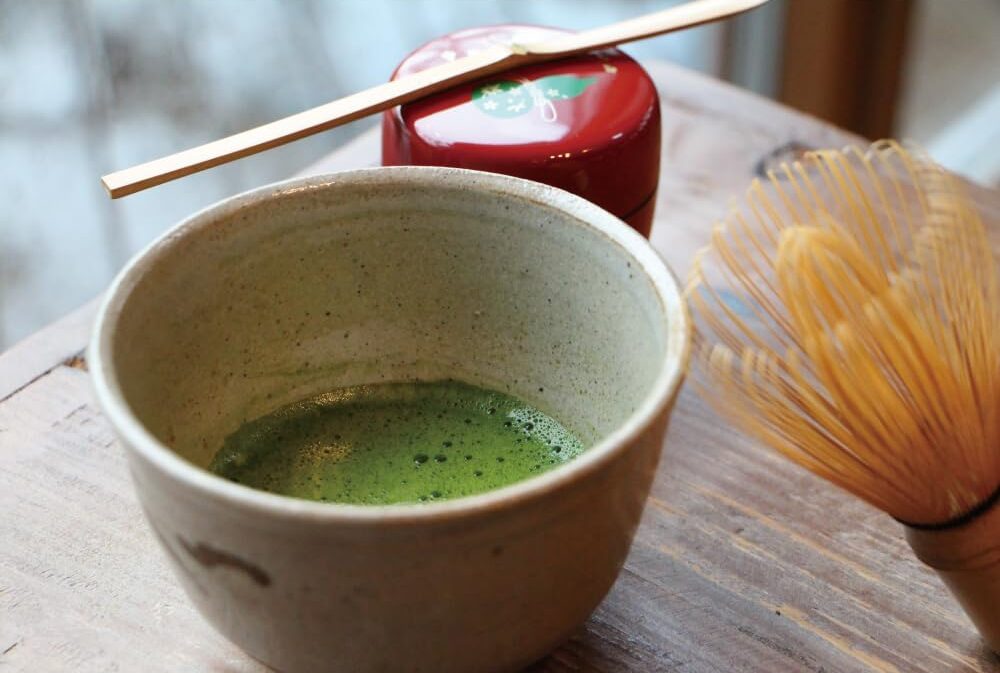
The first thing you hold in a Japanese tea ceremony is the matcha bowl. Its weight, the warmth it carries, the texture beneath your fingers — every detail is intentional. In a single bowl, centuries of Japanese aesthetic sensibility come together.
What many people don’t realize is that matcha bowls vary enormously depending on where they were made and how. At GreenTeaTokyo, we use bowls from our own personal collection during the tea experience — each one a real, handled piece with its own history and character. Here’s a look at the four styles we use.
Black Raku Chawan|黒楽茶碗
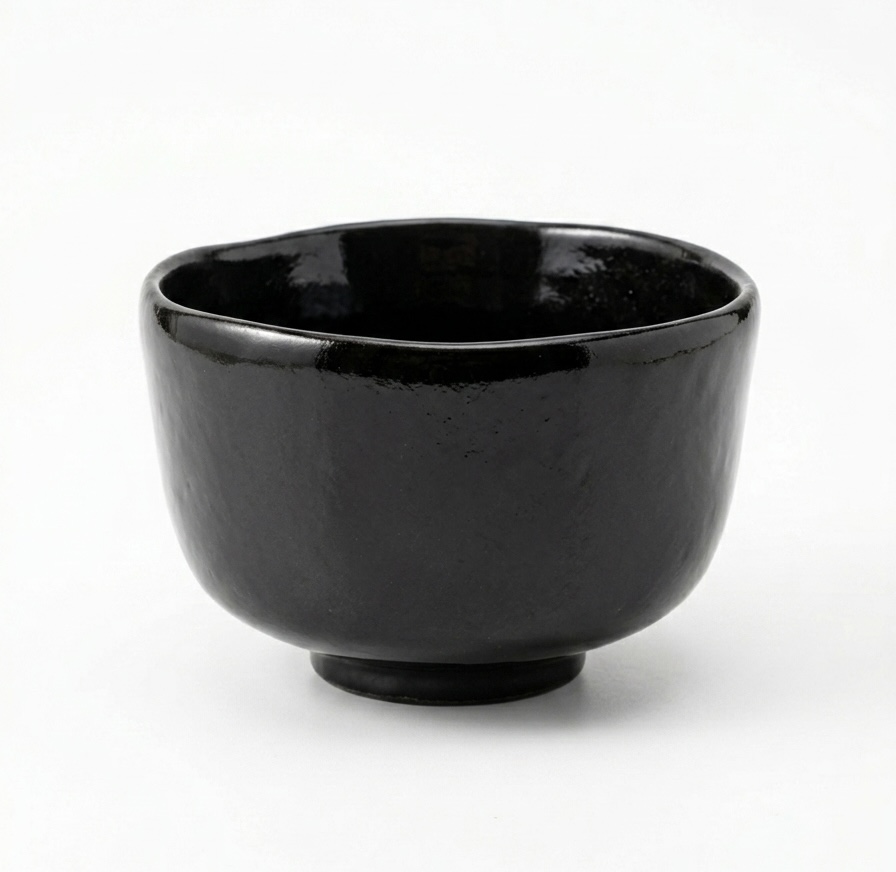
The black Raku bowl is considered the most prestigious of all Raku-ware bowls. It traces its origins to 16th-century Japan, when the renowned tea master Sen no Rikyu commissioned the potter Chojiro to create bowls that embodied the spirit of wabi-sabi — finding beauty in imperfection and simplicity.
Unlike wheel-thrown pottery, Raku bowls are shaped entirely by hand, giving each one a slightly irregular, intentionally imperfect form. The deep black glaze makes the green of matcha stand out vividly, and the bowl’s warmth in the hands is part of the experience. Traditionally favored at winter tea gatherings.
Hagi-yaki Chawan|萩焼茶碗
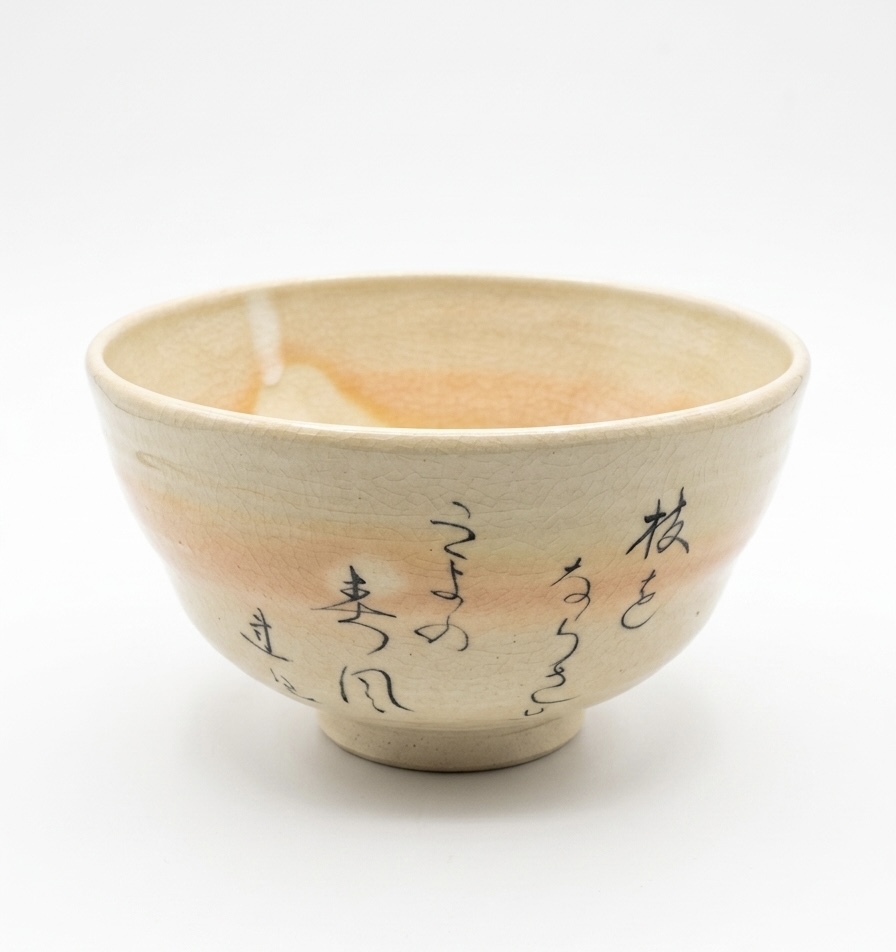
Hagi-ware comes from Hagi city in Yamaguchi Prefecture and is counted among the three great origins of Japanese tea ceramics. Its defining feature is a fine network of cracks in the glaze, known as kan-nyu, which allows tea to gradually seep in over years of use — slowly changing the bowl’s color and character.
This transformation is called “the seven changes of Hagi,” and it’s why tea practitioners treasure these bowls as objects that grow and deepen with use. Our Hagi bowl features a poem written directly on the surface, weaving literature and craft into one.
Kyo-yaki Chawan|京焼茶碗
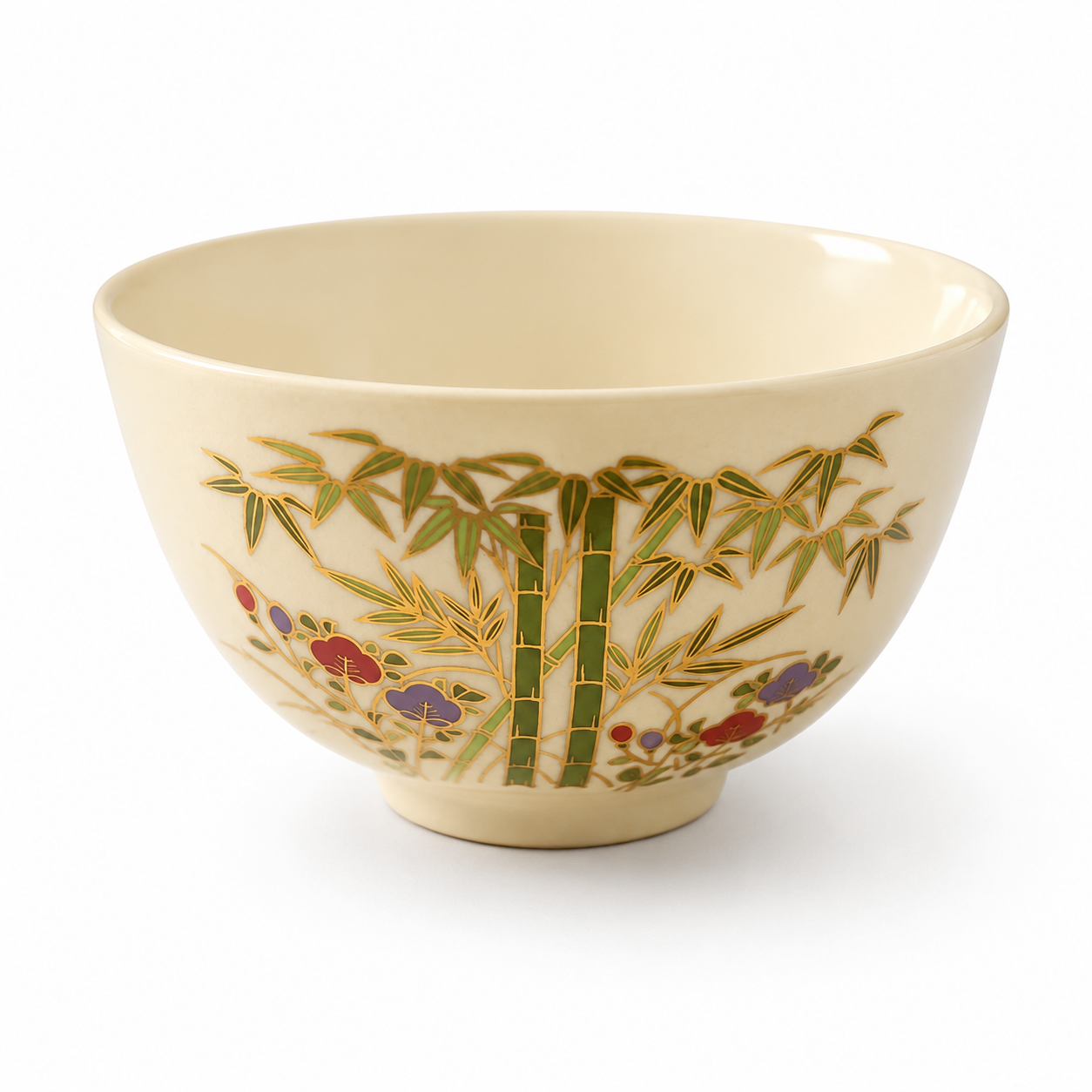
Kyo-yaki (also known as Kiyomizu-yaki) is produced in Kyoto and is known for its refined overglaze painting. Where Raku and Hagi bowls lean toward rustic simplicity, Kyo-yaki leans toward elegance — intricate motifs of bamboo, pine, and plum blossom rendered in vivid colors and gold.
These bowls were historically favored by the imperial court and tea masters who wanted the ceremony to feel celebratory and beautiful. Wheel-thrown for a balanced, symmetrical form, Kyo-yaki bowls are often the style that catches the eye of first-time visitors to Japan.
Mishima-de Chawan|三島手茶碗
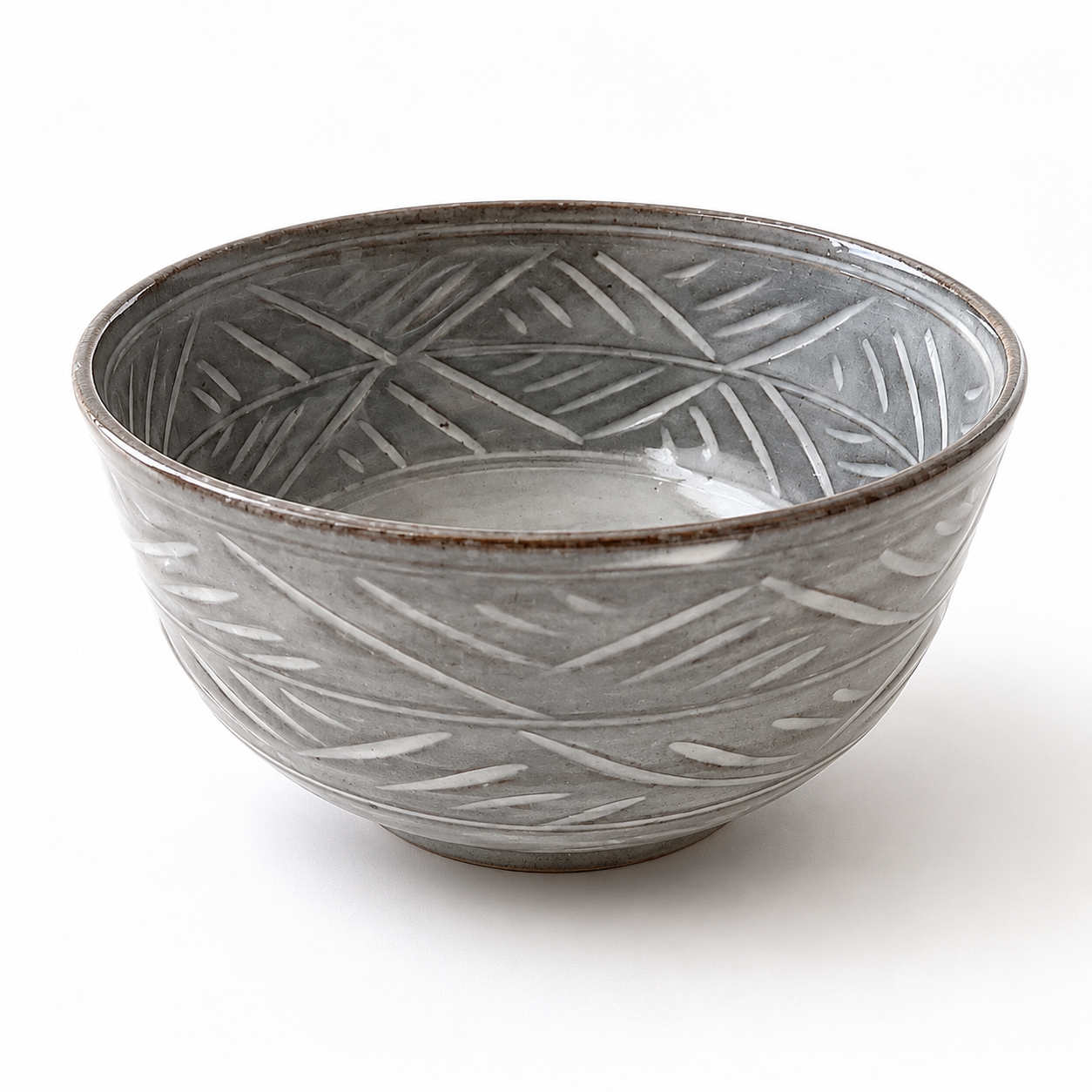
The Mishima-de style originates from Korean ceramic traditions brought to Japan, and is recognized by its all-over geometric carved patterns. The technique involves pressing stamps or carving lines into the clay before glazing, resulting in a surface that feels almost architectural.
The blue-grey glaze contrasts with the exposed red clay at the base, giving the bowl a striking, earthy presence. Our Mishima-de bowl is signed by the artist Kouun — a piece that is quietly powerful and deeply connected to the cross-cultural history of Japanese ceramics.
Hold the Bowl Yourself
Reading about tea bowls is one thing. Holding them is another.
At GreenTeaTokyo, every guest gets to handle these bowls during the experience — feeling the weight, examining the glaze up close, and understanding firsthand why each style has been treasured for centuries. We offer mobile tea ceremony experiences across Tokyo, as well as private sessions for hotels and corporate events.
We’d love to welcome you.
GreenTeaTokyo|株式会社YSF